
एक रात का होटल — सैकड़ों विकल्प। ज़िंदगी भर की ज़मीन — पाँच।
You get more choice booking a hotel than buying land
Why the biggest purchase of a lifetime is made from the shortest list, and how to see the whole of Indore's registered colonies before choosing from any of them.
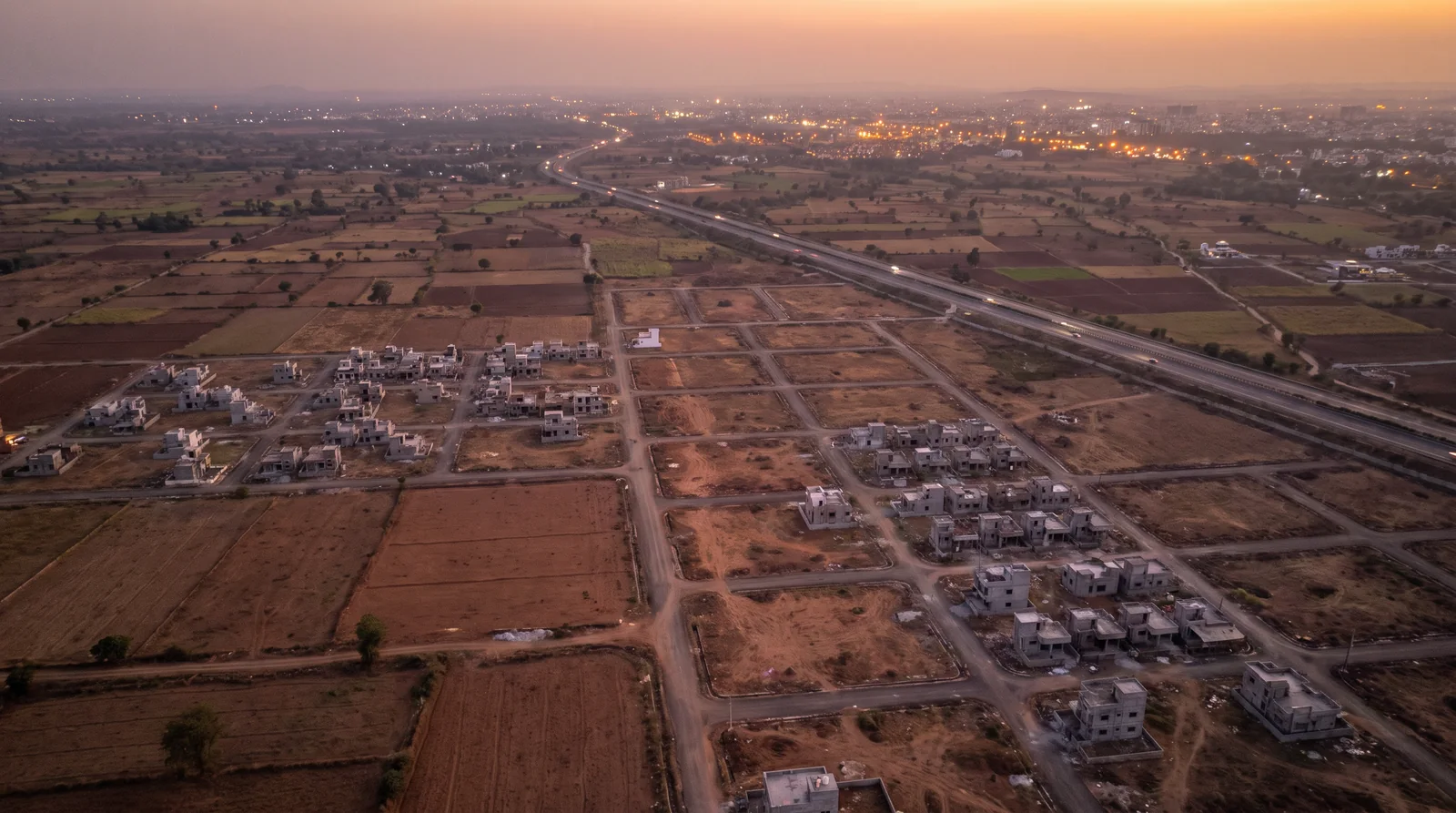
On this page
A buyer choosing a plot in Indore typically sees five to ten colonies, the ones their real estate agent happens to hold, before committing the largest sum of their life. Nobody is hiding the rest; until recently, nobody had put the rest on one map. Indori Zameen draws every registered colony and project so the whole market can be seen before a choice is made.
Three menus in the same city
Consider how choices are made for three purchases of very different weight.
| The purchase | What it costs | How many options you see |
|---|---|---|
| A hotel for one night | a few thousand rupees | hundreds, sorted and compared on a phone |
| A table for dinner | about a thousand rupees | fifty or more, with reviews |
| A plot, through one agent | the biggest cheque most people ever write | five, perhaps ten |
The figures in the first two rows are rough; the point is the shape of the table. For the cheapest decision there is a whole industry devoted to showing you everything. For the most expensive, the list is whatever fits in the folder of the person across the table.
That is backwards, and everyone who has bought land knows it. The decision with the most money riding on it is made with the least information.
सबसे बड़ा फ़ैसला, सबसे छोटी लिस्ट से।
Sabse bada faisla, sabse chhoti list se.
Why the list is short, and whose fault it is not
It is tempting to blame the agent. That is unfair, and it misses the actual cause.
A real estate agent can only show you what they hold. Holding a colony means knowing its promoter, having walked its plots, knowing which are still available and at what price, and being trusted by the seller to bring buyers. That takes time and relationships, and no single agent can maintain it across a whole city. Five colonies well held is honest work. Ten is a busy office.
The gap is not in any one agent's effort. It is that the register of what exists, drawn to where it exists, with its papers behind it, was never assembled anywhere a buyer could open. Each piece sat in a different office: the regulator's portal for the registration, the planning authority for the layout and the zone, the revenue record for the land, and a filing cabinet for the rest.
The other map
So the missing piece was built. Indori Zameen is a register of Indore's registered colonies and projects, each drawn on a map to the boundary its record describes, with its sanctioned layout, its master-plan zone and its paperwork attached.
As of September 2026 that means 1,161 colonies and projects across 81 gram panchayats, with 13,352 documents on file. Instead of five options, the buyer starts with the full list and narrows it down themselves, the way they would with anything else they buy.
Think of it as a street map for colonies. You do not ask it to sell you anything, and it does not. You open it to see what is there, where it is, and what is already on record about it.
एक हिस्सा नहीं — पूरा बाज़ार देखकर चुनिए।
Ek hissa nahin — poora baazaar dekhkar chuniye.
What sits on every record
Each colony's record carries five things, and each can be checked by the reader rather than taken on someone's word.
The boundary, drawn where the land is
Not a pin dropped near the entrance, but the outline of the colony at its recorded position. This is what tells you whether the plot you are being offered is inside the colony or in the field next door.
The sanctioned layout, over satellite imagery
Where a sanctioned layout is on file it is georeferenced: the approved drawing is placed at its true position over the satellite picture, so every plot, road and open space from the sanctioned sheet lands on the ground it describes.
The zoning and the proposed roads around it
The city's development plan is laid over the same map, so the zone the colony sits in and any road the city intends to build through or beside it are visible on the same screen.
The registration and the documents
What the register holds about the colony and the papers behind it, from verified government sources and verified RERA-registered brokers. Documents are shown to verified members; the public page still says what is on file.
The promoter, as the record states it
Not the name on the hoarding or the visiting card, but the name the registration carries.
The register was built by architects and planners, and what it holds comes from verified government sources and verified RERA-registered brokers. Where a record and the concerned authority disagree, the authority is right and the record gets corrected. Use the platform to know what to look for, and the authority to confirm it.
How to use the whole market without drowning in it
More choice is only useful if you can narrow it. A practical way through:
- Start with the area. Filter the map to the villages or the side of the city that suits your commute and your family. The list shrinks to a few dozen.
- Drop what does not fit the zone. Open the Master Plan Portal and drop any colony whose land is not marked for the use you intend, or that has a proposed road drawn through it.
- Keep the ones with a sanctioned layout on file. A colony with its approved plan placed on the ground is one where what you are promised can be checked against what was sanctioned.
- Read the record of the last five. Registration, promoter, documents. Now you have a shortlist you chose, not one chosen for you.
- Then call the agent. With a shortlist in hand the conversation changes: you are asking a professional to help you close on a colony you have already read about.
What the map does not do
It does not sell plots, take bookings or hold anyone's money. It does not replace a lawyer's title search, a visit to the tehsil office, or a walk around the plot at seven in the evening. It is the map you look at before all of those, so that you spend them on the right colony.
Where to check it yourself
See it for yourself on the map — boundaries, plans and paperwork on one screen.
Open the map, filter to your side of Indore and see every registered colony there →Questions people ask
How many colonies are there in Indore?
As of September 2026 the Indori Zameen register holds 1,161 registered colonies and projects across 81 gram panchayats. The number moves as the register is maintained.
Why does my agent only show me a few colonies?
An agent can only show what they hold, and holding a colony well takes relationships and time. Use the map to see the rest, then bring your shortlist back to the agent.
Is Indori Zameen a property listing website?
No. It does not list plots for sale or take bookings. It is a map of what is already on record about every registered colony in Indore.
Do I need to sign in to see the colonies?
Each colony has a public page that opens without an account. The map itself, the layout plans and the master-plan overlay open after signing in with a Google account.
Can I trust the boundary drawn on the map?
It is drawn from the colony's recorded drawing at its recorded position. It is not a fresh survey, and the government record remains the authority.
Where the facts come from. The facts and figures in this post come from verified government sources and verified RERA-registered brokers.
Indori Zameen is a private platform. It is not a government body and is not affiliated with one — always confirm a record with the concerned authority before you commit money.
Share this post
Related posts
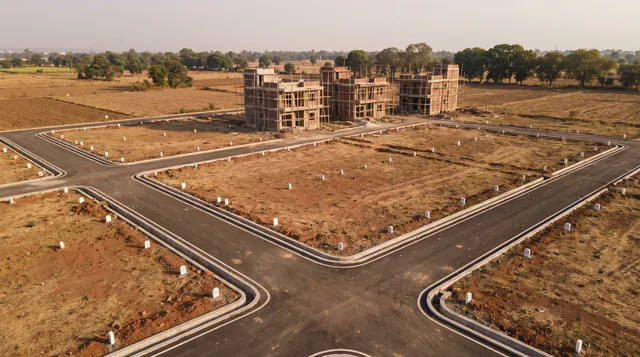 Maps & plans7 min read
ज़मीन का हर सवाल, एक ही जगह।
Maps & plans7 min read
ज़मीन का हर सवाल, एक ही जगह।
What Indori Zameen is, and how to use it
Indore's registered colonies on one map, each with its boundary, sanctioned layout, zoning and papers: what is there, what is not, how to read one fast.
8 Sep 2025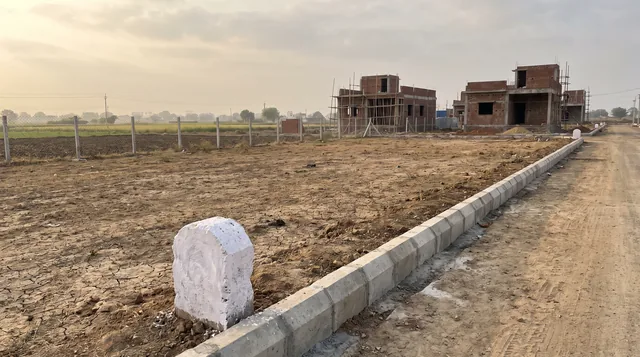 Buying guides8 min read
प्लॉट लेने से पहले, ये आठ सवाल ज़रूर पूछिए।
Buying guides8 min read
प्लॉट लेने से पहले, ये आठ सवाल ज़रूर पूछिए।
The eight questions every plot buyer in Indore asks, and where each answer sits
Registration, khasra, zoning, proposed roads, the sanctioned layout, building limits, plot position and promoter: eight questions and where each answer sits.
8 Sep 2025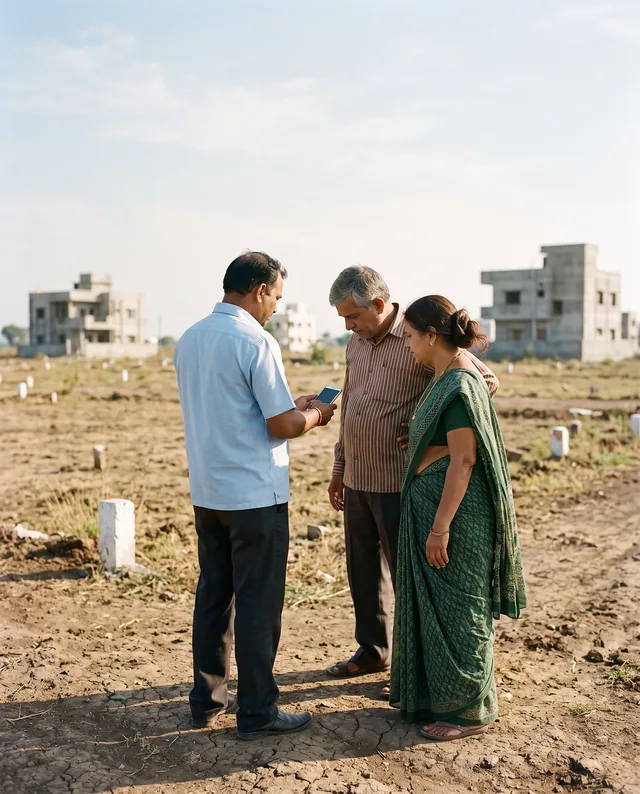 Buying guides7 min read
अच्छा एजेंट सवालों से नहीं डरता
Buying guides7 min read
अच्छा एजेंट सवालों से नहीं डरता
Five questions to ask your real estate agent
Five questions to put to a real estate agent before you pay a token, what a good answer sounds like, and why an agent with good stock enjoys them.
8 Sep 2025 Maps & plans8 min read
ये रजिस्टर कैसे बना
Maps & plans8 min read
ये रजिस्टर कैसे बना
How the Indori Zameen register was built
How the boundaries on the Indori Zameen map were placed and checked, who did the work, and why an unplaceable colony is left unmapped.
8 Sep 2025Tagged platform, instagram-series, agent, how-to. Updated 8 Sep 2026.
Read it. Then check it on the map.
Every colony's boundary, its approved layout, its zoning and its paperwork — on one screen. Signing in is free.