
बन रहा है, या बन चुका है?
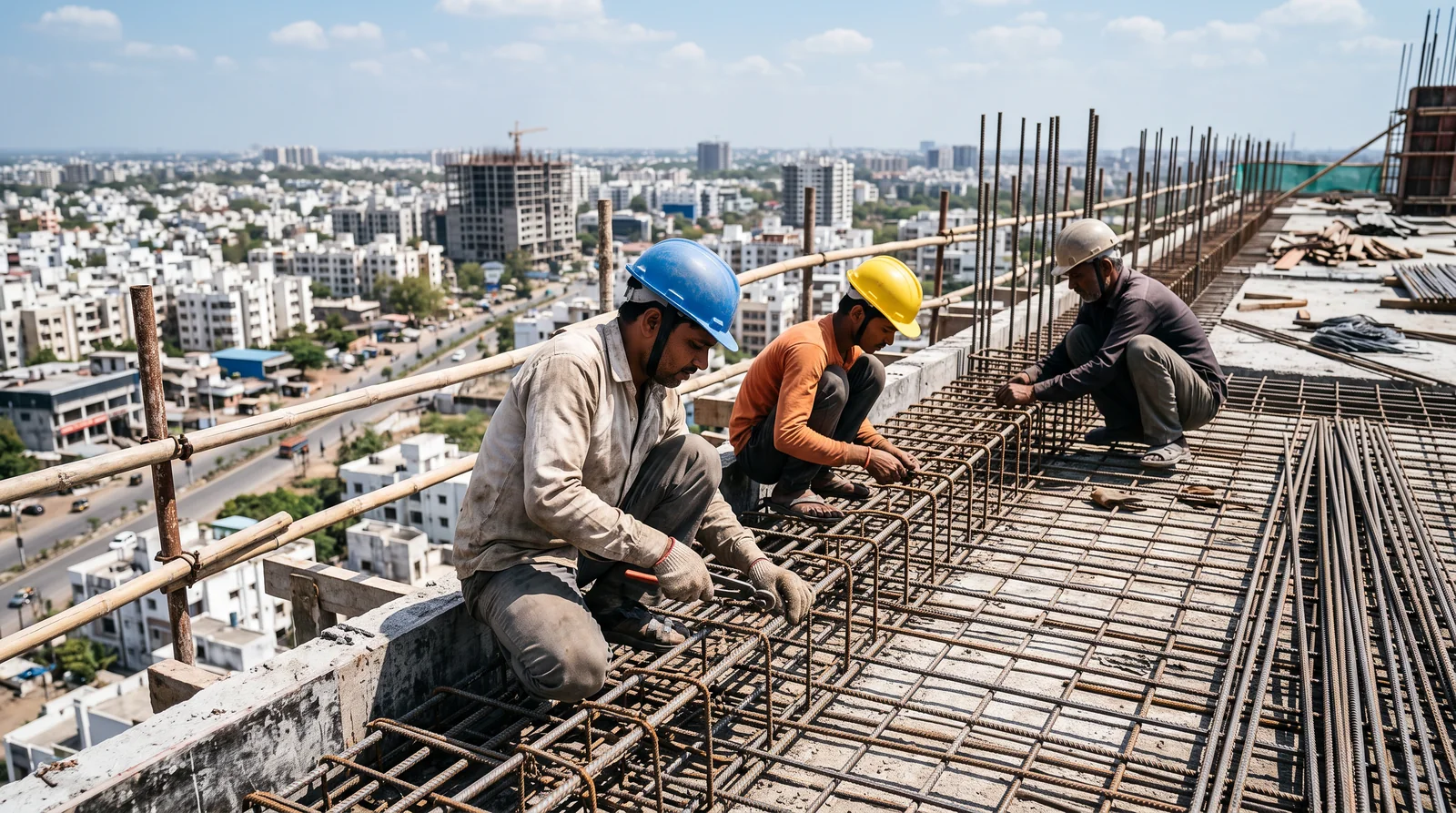
Under construction or ready to move: two different products
Why an under-construction flat is cheaper, what you take on in exchange, and the checks each kind of purchase needs before you pay.
On this page
An under-construction flat costs less because you carry the risk that it is finished late, and you help finance the building while you wait. A ready-to-move flat costs more and removes that risk: you can stand in it, test it and move in. Both are sound purchases when you know which trade you are making.
Not a discount, a different product
The lower price of an under-construction flat is not a favour. It is payment for two things you take on. The first is the risk that the building is finished late, or differently, or not at all. The second is money: your instalments fund part of the construction, months or years before you can live in what they paid for.
सस्ता इसलिए है क्योंकि जोखिम आपका है।
Sasta isliye hai kyonki jokhim aapka hai.
That is a fair trade, and a great many families make it well. It only turns into a bad one when nobody explained that this was the trade on the table, and the buyer compared the two kinds of flat on price alone.
Side by side
| Under construction | Ready to move | |
|---|---|---|
| Price | Lower, paid in stages | Higher, paid at once |
| Choice | Some say in floor, facing and finishes | What is built is what you get |
| Risk | Delay, and rent paid while you wait | None on delivery: possession is now |
| What you judge | A drawing and a sample flat | The actual light, ventilation and finish |
| Neighbours | Unknown | You can meet them before you commit |
| The paper that matters most | The RERA registration and its dates | The occupancy certificate |
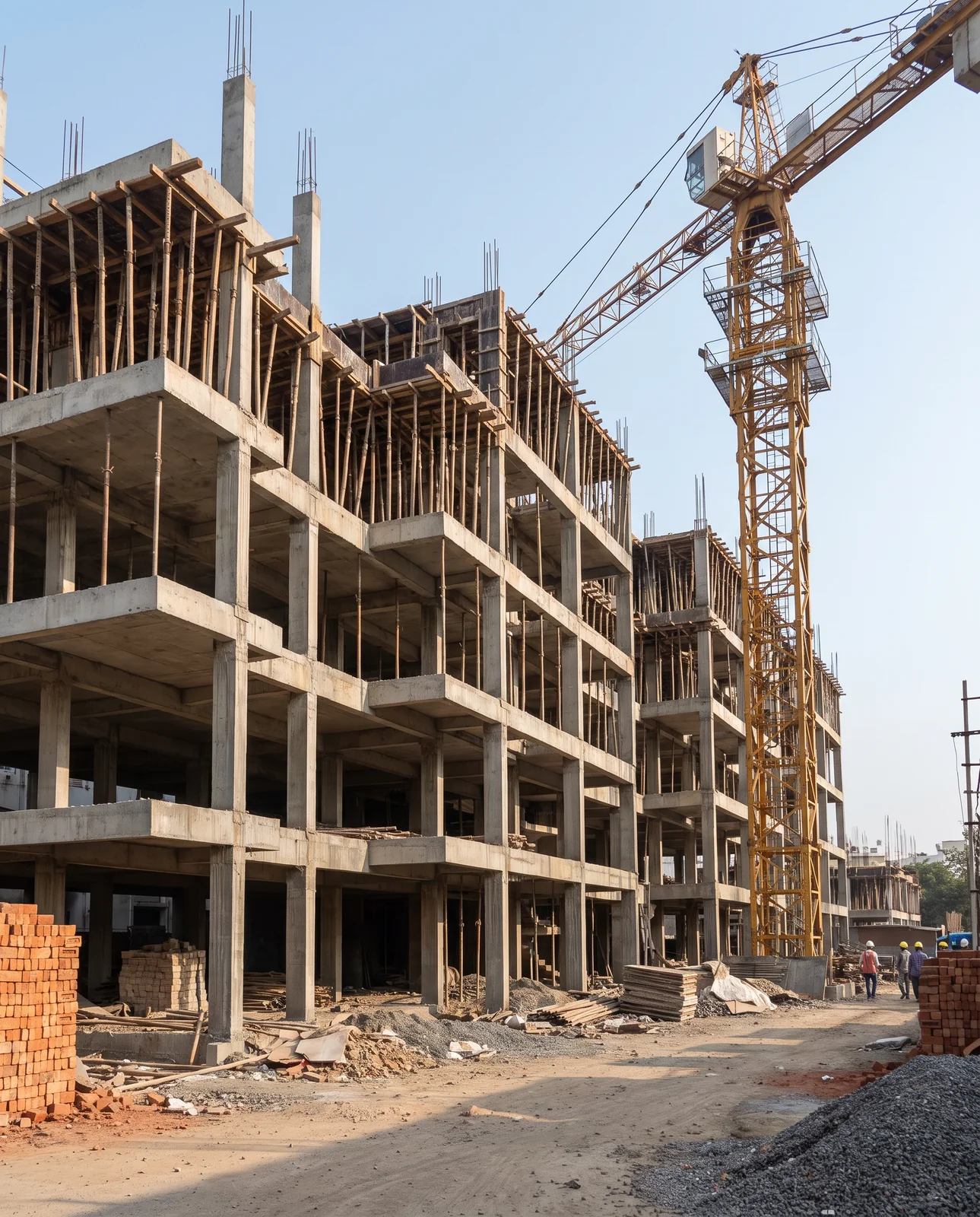
Neither column is the right one for everybody. A family paying rent and an EMI at the same time feels the delay risk much more than a family that already has a roof. A buyer who needs a particular floor or facing may only find it while the building is still going up.
If you choose under construction: four things before the booking amount
The only way to manage a promise is to make it specific. Settle these four before you pay anything.
1. The project's RERA registration number
Ask for it, then look it up yourself on the state regulator's portal rather than reading it off a brochure. At registration a promoter has to declare, among other things, the time within which it undertakes to complete the project, and the project then files updates on the portal. Read the declared completion date and the latest update.
2. A dated possession clause
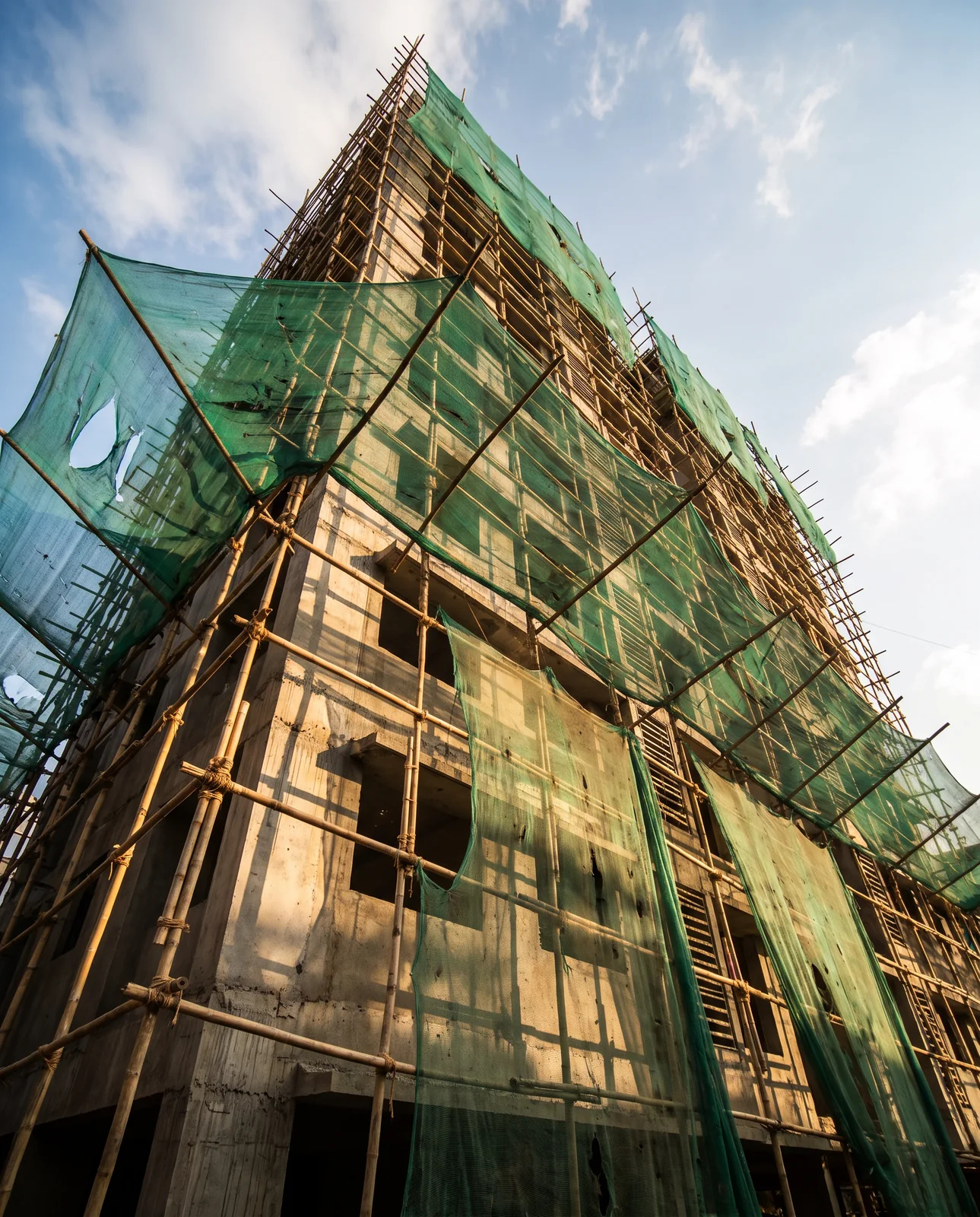
A month and a year, written in the agreement for sale, and what happens if it slips. Not "approximately", not "subject to circumstances" with nothing after it. Where a registered promoter fails to give possession as the agreement says, the Act gives the buyer the choice of withdrawing with a refund and interest, or staying and being paid interest for each month of delay. That right is only as useful as the date it is measured from.
3. Payments tied to construction stages
Money should follow progress, not a calendar. A plan that asks for a fixed sum every quarter regardless of what has been built moves the risk of delay entirely onto you. The agreement for sale must state the dates and manner of each payment, so read the schedule before you sign it.
4. The carpet area, in writing
It is the one number you will be able to measure on possession day. What carpet area means, and why it is the only area that counts, is in our guide to carpet, built-up and super built-up area.
If you choose ready to move: the checks are physical
A building can be complete and still not certified. It can still be waiting on its occupancy certificate, can still have its common areas in the builder's hands, and can still be getting its water by tanker.
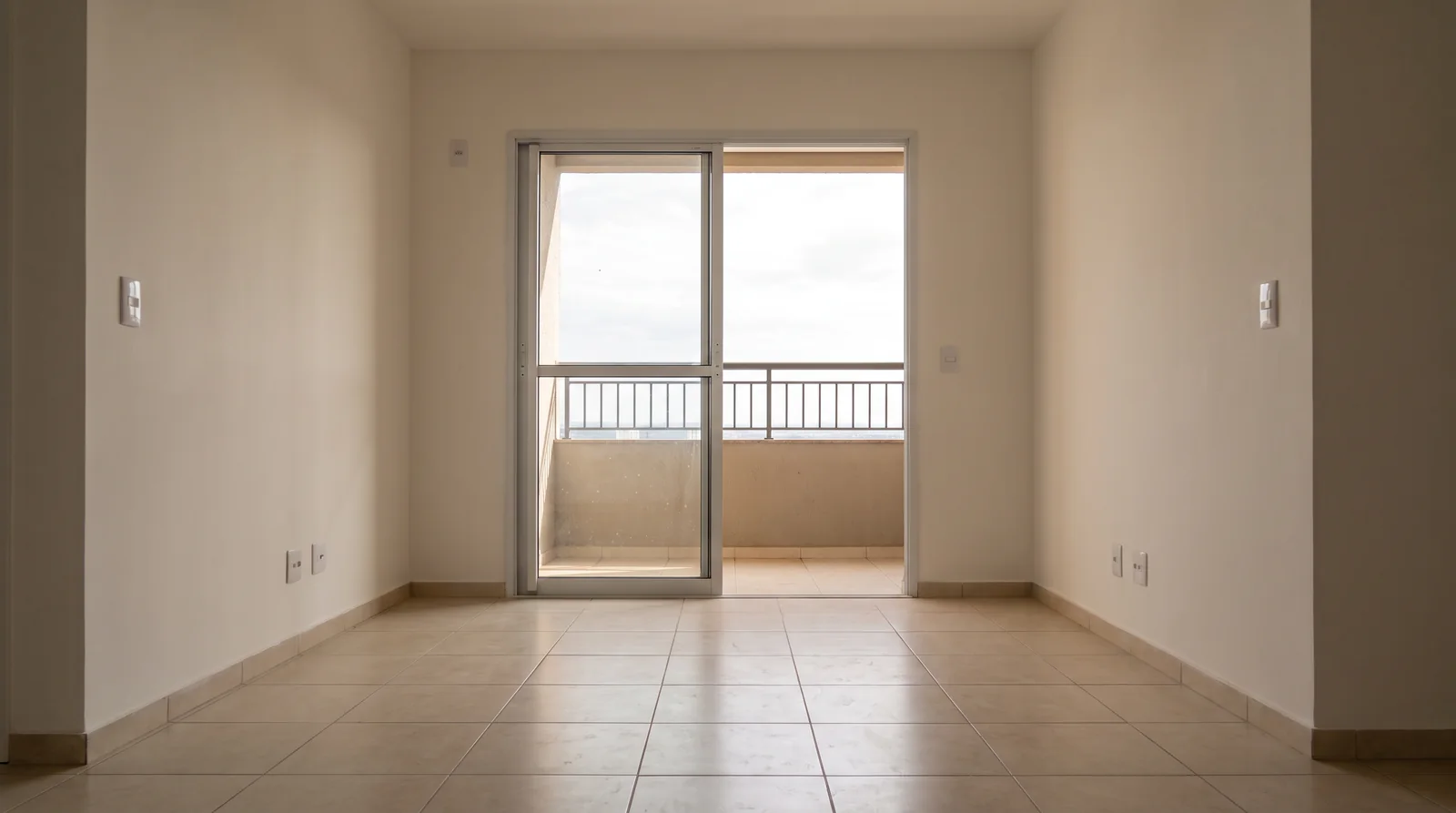
So use the advantage a ready flat gives you, which is that you can test it.
- Walk it. Every room, the stairs, the terrace, the parking.
- Run the taps. Kitchen, bathrooms, and the pressure on an upper floor.
- Ask a resident how long they have lived there, and how the water and power have been.
- Visit on two different days, one of them in the afternoon, when the light and the noise are not what they were in the morning.
- Ask for the occupancy certificate before you accept possession.
Either way, the tax and the ground
The two kinds of flat are also taxed differently. A flat paid for while it is being built carries GST; one paid for entirely after its completion certificate does not. Our guide to GST on a flat sets out the rates and the date that decides.
And under both kinds of building sits the same land. The colony's sanctioned layout and its master-plan zone are worth reading before you judge a single room.
इमारत बाद में — ज़मीन पहले।
Imaarat baad mein — zameen pehle.
See it for yourself on the map — boundaries, plans and paperwork on one screen.
Check the land under the project: its colony, layout and zone →Questions people ask
Is it better to buy an under construction or ready to move flat?
Neither is better for everyone. An under-construction flat is cheaper and paid in stages, but you carry the delay risk. A ready flat costs more and removes that risk. Choose knowing which trade you are making.
Why are under construction flats cheaper?
Because the buyer carries the risk that the building is delivered late and finances part of the construction through instalments before possession.
What should I check before booking an under construction flat?
The project's RERA registration and declared completion date, a possession clause with a month and year, a payment plan linked to construction stages, and the carpet area in the agreement.
What happens if the builder delays possession?
For a registered project, section 18 of RERA lets the buyer withdraw with a refund and interest, or stay and receive interest for each month of delay. The date in your agreement is what delay is measured from.
What should I check in a ready to move flat?
Walk every room, run the taps, speak to a resident, visit twice including an afternoon, and ask for the occupancy certificate for the block before you take possession.
Where the facts come from. The facts and figures in this post come from verified government sources and verified RERA-registered brokers.
Indori Zameen is a private platform. It is not a government body and is not affiliated with one — always confirm a record with the concerned authority before you commit money.
Share this post
Related posts
 Papers & law8 min read
CC और OC — बिना इनके क़ब्ज़ा मत लीजिए।
Papers & law8 min read
CC और OC — बिना इनके क़ब्ज़ा मत लीजिए।
Occupancy certificate and completion certificate: two papers, two jobs
A completion certificate says the building matches its plan. An occupancy certificate says you may live in it. Ask for both before you take the keys.
3 Oct 2026 Buying guides7 min read
आप किस एरिया का पैसा दे रहे हैं?
Buying guides7 min read
आप किस एरिया का पैसा दे रहे हैं?
Carpet area, built-up area, super built-up area: only one is defined by law
Three areas, one flat, and you are usually quoted the biggest. What carpet area means in law, and how to work out your real price per usable square foot.
3 Oct 2026 Money8 min read
फ़्लैट पर GST — कब लगेगा, कब नहीं?
Money8 min read
फ़्लैट पर GST — कब लगेगा, कब नहीं?
GST on a flat: under construction versus ready
Booked while being built, a flat carries 5% GST, or 1% if it is affordable. Paid for wholly after the completion certificate, none. How the rule works.
3 Oct 2026 Papers & law7 min read
रजिस्टर्ड है — पर किसका?
Papers & law7 min read
रजिस्टर्ड है — पर किसका?
What RERA does, and what it does not
Who must register with MP RERA, what an agent's number means, and the four checks a registration does not replace: title, ownership, coverage and sanction.
8 Sep 2026Tagged flat, rera, developer, instagram-series, checklist, site-visit.
Read it. Then check it on the map.
Every colony's boundary, its approved layout, its zoning and its paperwork — on one screen. Signing in is free.