
CC और OC — बिना इनके क़ब्ज़ा मत लीजिए।
Occupancy certificate and completion certificate: two papers, two jobs
What each certificate says, why the builder owes you a copy, and the three questions to ask before the last payment and the keys.

On this page
A completion certificate says the building was put up as its sanctioned plan allowed. An occupancy certificate says the building may be lived in, because water, drainage, power and the other services are in place. They are different papers with different jobs, and a buyer of a flat should ask to see both before accepting the keys.
Two claims that sound like one
People say "CC" and "OC" in the same breath, as though one paper had two names. It does not. Each answers a separate question about the building, and a building can pass the first and still be waiting on the second.
The completion certificate looks backwards at construction. Was the building raised to the height the plan allowed, with the setbacks the plan required, on the footprint the plan drew? The Act describes it as the certificate, by whatever name the local authority uses, confirming that a project has been developed according to its sanctioned plan, layout plan and specifications.
The occupancy certificate looks forward at living. Can people move in? The Act describes it as the certificate, again by whatever local name, that permits a building to be occupied and that covers civic infrastructure such as water, sanitation and electricity.
| Completion certificate (CC) | Occupancy certificate (OC) | |
|---|---|---|
| The question it answers | Was it built as sanctioned? | Is it fit to live in? |
| What it looks at | Height, setbacks, footprint, specifications | Water, drainage, power and the other services |
| When it matters to you | Before the last payment | Before you accept possession |
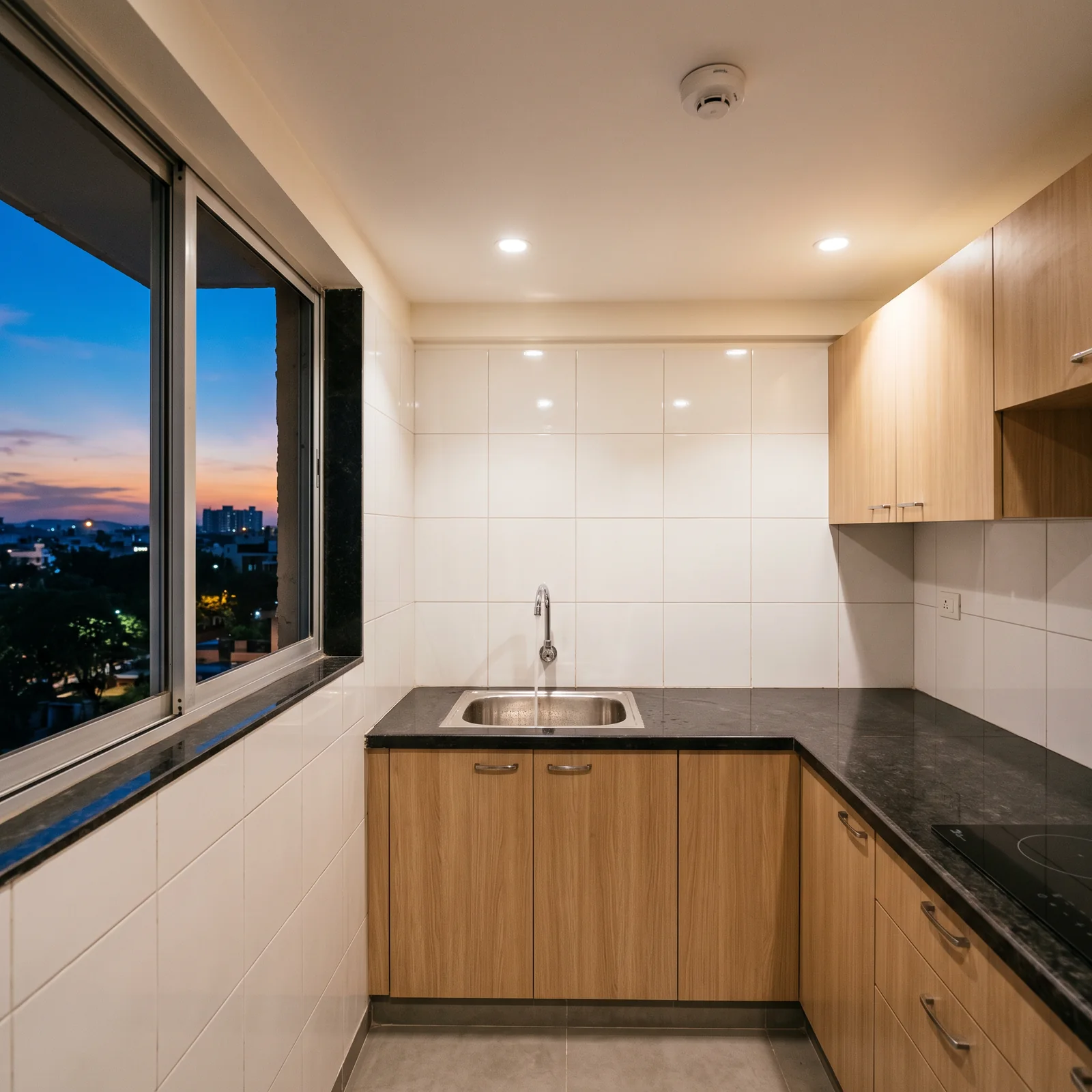
A structure can be finished and painted while its services are still on temporary arrangements. That gap is where families end up living, for years, in flats that on paper nobody lives in.
The builder owes you this, by statute
Asking for the certificates is not asking for a favour. Under the Real Estate (Regulation and Development) Act, the promoter of a registered project is responsible for obtaining the completion certificate or the occupancy certificate, or both as the local rules require, and for making it available to the buyers individually or to their association.
The same Act then sets a clock. Once the occupancy certificate is obtained and possession given, the promoter must hand the common areas and the related documents and plans to the association of allottees or the competent authority, as local law provides; where no local law says otherwise, within thirty days of the completion certificate.
What a missing occupancy certificate costs you
None of this hurts on the day you move in. That is why it is easy to let slide. The costs arrive one at a time, over years.
- Temporary stays temporary. Water and electricity run on the builder's arrangement rather than as connections in your own name.
- Your resale gets harder and cheaper. Your buyer's bank will ask for the certificate you never received, and a buyer who cannot borrow either walks away or asks for a lower price.
- The local body can treat it as a breach. Occupying a building without the certificate can be penalised in municipal assessment.
- You have no clean date of possession. The moment there is a dispute about delay, the date you were legally put in possession is the date everyone argues over.
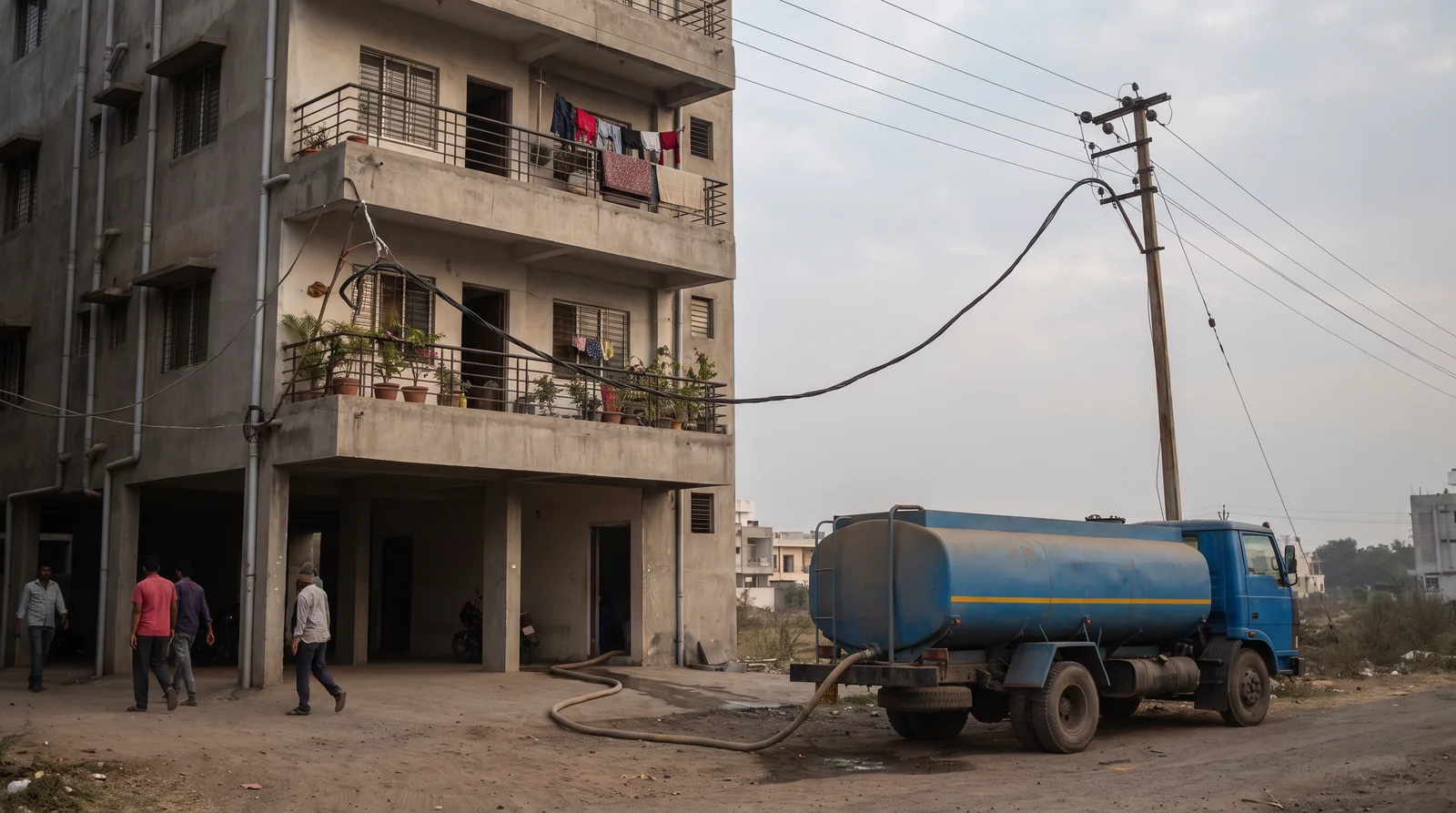
चाबी मिल जाना और क़ब्ज़ा मिल जाना — दो अलग बातें हैं।
Chaabi mil jaana aur qabza mil jaana — do alag baatein hain.
The handover is the moment it matters
The keys usually arrive before the papers. That order is the trap. While the final instalment is still in your account, you have something the builder wants, and every request, from a certificate to a cracked tile, is easier to make. Once you have moved your furniture in and paid the last cheque, your leverage has gone.
So the sequence to insist on is simple: papers first, keys second.
Read the word "partial"
Large projects are often delivered in phases, tower by tower, and their certificates can follow the same pattern. A partial occupancy certificate is a real and legitimate document. It also covers only what it names.
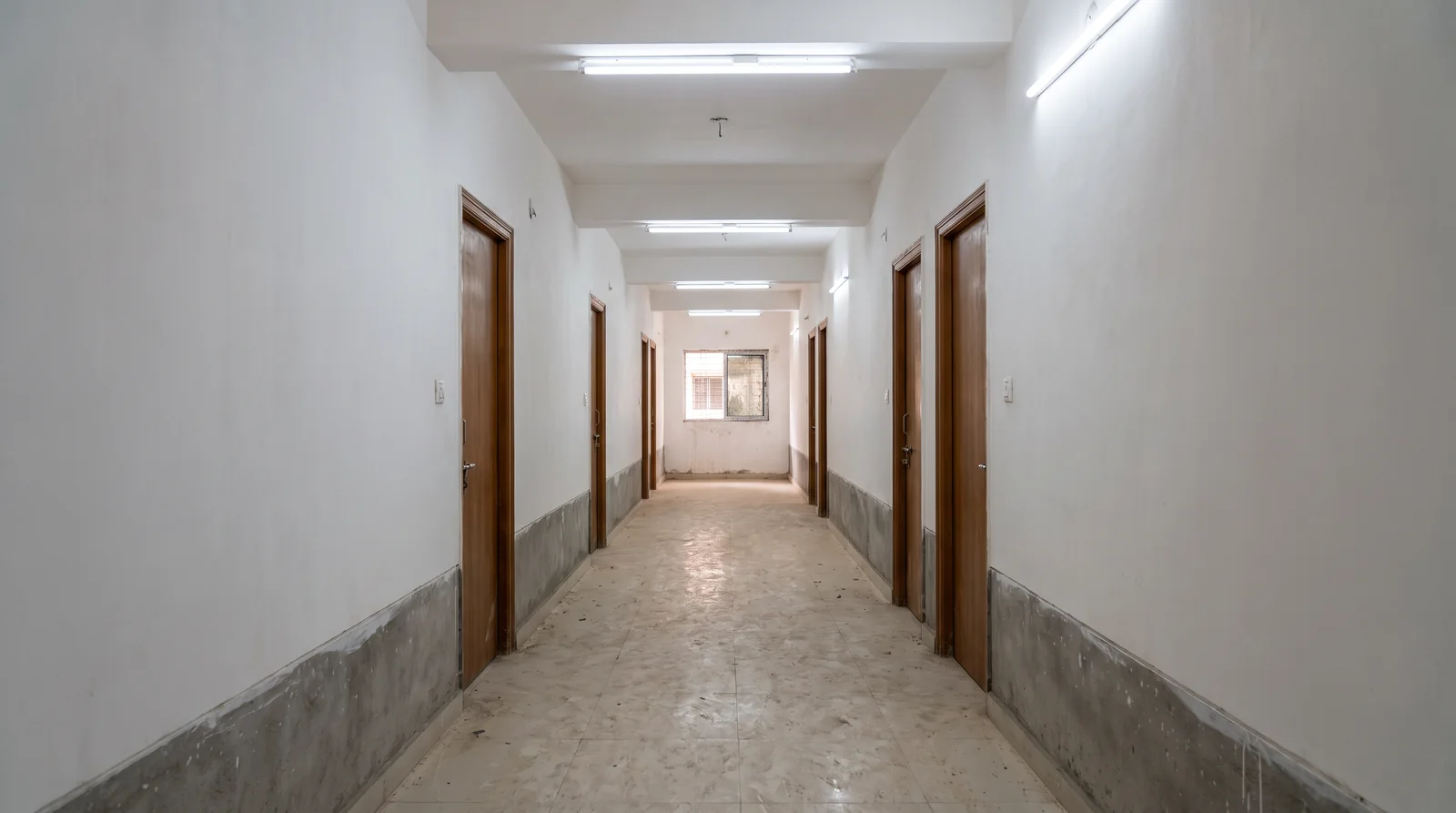
When you are handed one, read it for three things: which blocks it names, which floors within those blocks, and whether your unit is inside that description. The tower next door being certified says nothing about yours.
Building your own house? The same idea, one size down
A house on your own plot opens with one paper and should close with another. You obtain building permission before any foundation is dug, and a completion certificate once the last wall is up. Most owners obtain the permission, build, move in, and never close the file.
They find out years later, when they try to sell, mortgage or regularise an addition. Closing the file when the house is finished costs a fraction of reopening it in a hurry. The steps for the first paper are in our guide to building permission for a house on your plot.
फ़ाइल शुरू करना आसान है — बंद करना लोग भूल जाते हैं।
Faail shuru karna aasaan hai — band karna log bhool jaate hain.
Three questions before the last payment
Say these to the builder's office while the final instalment is still yours.
- "Is there an occupancy certificate for this particular block?" Ask about the block, not the project; a certificate for the project's first tower may not reach yours.
- "Can I have a copy, and does it name my unit?" It is yours to have. Take it home and read it yourself.
- "If it is not issued, what is still pending, and when is it expected?" Ask for that reply on paper, before you sign for possession, not over the phone afterwards.
If the answers do not come, the project's registration record on the state regulator's portal is the next place to look, and a complaint to the regulator is the formal route; our guide on filing a RERA complaint in Madhya Pradesh walks through it.
What this guide does not cover
The exact conditions for either certificate, and which office issues it, are set by local building rules. For what your building needs, ask the issuing authority.
See it for yourself on the map — boundaries, plans and paperwork on one screen.
Check the colony's sanctioned layout and record before you book or take possession →Questions people ask
What is the difference between occupancy certificate and completion certificate?
A completion certificate confirms the building was put up according to its sanctioned plan. An occupancy certificate permits it to be occupied and covers services such as water, sanitation and electricity. A building can have the first and still be waiting on the second.
Can I take possession of a flat without an occupancy certificate?
You can be handed keys without one, but it costs you later: connections stay temporary, resale and loans get harder, and the local body can treat occupation as a breach. Ask for the certificate before you accept possession.
Is the builder responsible for getting the OC?
For a RERA-registered project, yes. Section 11(4)(b) makes the promoter responsible for obtaining the completion or occupancy certificate, or both, and for making it available to buyers or their association.
What is a partial occupancy certificate?
A certificate that covers only some buildings or floors of a phased project. It is legitimate, but read which blocks and floors it names and check that your unit is among them.
Where the facts come from. The facts and figures in this post come from verified government sources and verified RERA-registered brokers.
Indori Zameen is a private platform. It is not a government body and is not affiliated with one — always confirm a record with the concerned authority before you commit money.
Share this post
Related posts
 Buying guides7 min read
बन रहा है, या बन चुका है?
Buying guides7 min read
बन रहा है, या बन चुका है?
Under construction or ready to move: two different products
An under-construction flat is not a discounted ready one. It is a different purchase with a different risk. What to settle before you book either.
3 Oct 2026 Money8 min read
फ़्लैट पर GST — कब लगेगा, कब नहीं?
Money8 min read
फ़्लैट पर GST — कब लगेगा, कब नहीं?
GST on a flat: under construction versus ready
Booked while being built, a flat carries 5% GST, or 1% if it is affordable. Paid for wholly after the completion certificate, none. How the rule works.
3 Oct 2026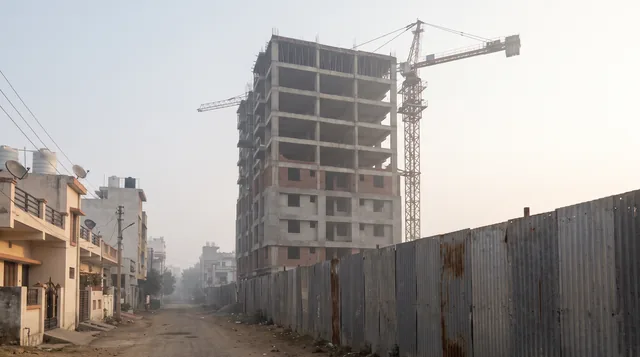 Papers & law7 min read
शिकायत का भी तरीका होता है।
Papers & law7 min read
शिकायत का भी तरीका होता है।
How to file a RERA complaint in Madhya Pradesh
Form M or Form N, ₹1,000, and a folder in date order. How a complaint to MP RERA works, what to ask for, and what it cannot do for you.
3 Oct 2026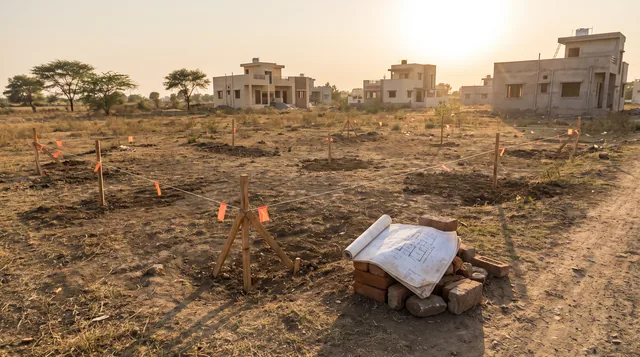 Maps & plans8 min read
नक्शा पास कराए बिना नींव मत डालिए।
Maps & plans8 min read
नक्शा पास कराए बिना नींव मत डालिए।
Building permission: getting the city's approval to build your house
Owning a plot in Indore does not let you build on it. How building permission works on ABPAS, what goes in the file, the fees, and the clock.
3 Oct 2026Tagged flat, developer, instagram-series, rera, checklist.
Read it. Then check it on the map.
Every colony's boundary, its approved layout, its zoning and its paperwork — on one screen. Signing in is free.