
चाबी मिली? अब लिस्ट निकालिए।
The snag list: checking a new flat on possession day, and the five years RERA gives you
How to walk a new flat room by room, write each defect down so it counts, and use the five years and thirty days that section 14(3) of RERA gives a buyer.

On this page
A snag list is the written record of every defect you find in a new flat when you take possession. Under section 14(3) of RERA, a structural or workmanship defect reported to the developer within five years of possession must be fixed within thirty days at no cost. The list, with dates and photographs, is how you use that right.
Why the list matters more than the handshake
Possession day is a celebration, and it should be. It is also the last page of the handover, and the cheapest day to have something put right: the workers are still on site, the developer still wants a good word from you, and nothing has been painted over yet.
A snag list is not a complaint and should not be written like one. It is a plain record, item by item, of what is not finished or not working. A good developer would rather receive it on the first day than hear about a leak in the next monsoon.
The law also puts a clock on this day. RERA gives a buyer two months from the issue of the occupancy certificate to take physical possession. Book the walk-through inside that window, in daylight, and give it a few unhurried hours.
चाबी की ख़ुशी अपनी जगह, काग़ज़ पर लिखी कमी अपनी जगह।
Chaabi ki khushi apni jagah, kaagaz par likhi kami apni jagah.
What to carry
A coin for tapping tiles, a phone charger (the phone will be your camera and torch for hours), a bucket, a measuring tape, and a copy of the floor plan attached to your agreement for sale.
Walk it room by room: the surfaces
Start with what you can see and touch, one room at a time, and write as you go.
- Walls and ceilings. Hold a torch at a low angle along each wall. Cracks, bulges, damp patches and uneven paint show up in side light that disappears in straight light. Look up: a damp ring on a ceiling belongs on the list.
- Floor tiles. Tap each tile with the coin. A dull, hollow note means the tile is not fully bedded and may crack or lift later. Check for chipped edges, lips where one tile sits higher than the next, and uneven joints.
- Doors and windows. Open, close and lock every one. Look for light showing through gaps, frames that rub, sliding windows that stick, cracked glass and missing rubber seals.
- The measurement. Tape each room and compare it with the floor plan, and the total with the carpet area your agreement for sale states. RERA defines carpet area, and it is the figure your price should rest on.

Then the checks behind the tiles
Water and electricity are where hidden defects live, and both can be tested in an afternoon.
Water. Let each tap and shower run for some minutes, and flush each cistern. Note how strong the flow is. Then kneel at every sink cabinet and check the joints and the trap for a drip.
Waterproofing. Pour a bucket of water on each bathroom floor and each balcony. It should run to the drain, not stand in a corner. Then look at the wall on the other side of the bathroom for a damp line, now and again a day later if you can.
Power. Try every switch, socket, fan point and light point. Have the earthing tested while you watch, and for the breaker board to be labelled circuit by circuit before you sign anything.

What the law gives you after the keys
Section 14(3) of the Real Estate (Regulation and Development) Act is the reason the list is worth keeping. It says, in substance:
| What is covered | Structural defects, and defects in workmanship, quality or the provision of services, or any other obligation of the developer under the agreement for sale |
| The window | Five years, counted from the date possession was handed over |
| The developer's time to fix | Thirty days from being told of the defect |
| The cost to you | None |
| If it is not fixed | A right to compensation, under the same Act |
The model agreement for sale in the MP RERA Rules carries a defect liability clause to the same effect. Read yours, and check that it counts the five years from your possession date and not from some earlier date.
How to write it down
One line per defect, with five columns: the room, what is wrong, a photograph, the date you sent it, and its status. Number the lines so that a reply can refer to them.
- Photograph every item. The phone records the date. Keep the original files together in one folder, not only in a chat.
- Send it in writing. An email, or a letter the developer's office acknowledges with a signature and a date. Keep their reply.
- Close a line only when it is fixed. Look at the repair yourself before you tick it off.

One walk is not enough: plan four
- Possession day. The first full walk, the list and the photographs, sent the same week.
- Within thirty days. Check each repair the developer says is done.
- After the first monsoon. Seepage and damp show themselves in the first heavy rains; walk the flat again.
- Before the fifth year ends. One last careful look, and anything new sent before the window closes.
जो लिखकर भेजा, वही हक़ बनकर लौटता है।
Jo likhkar bheja, wahi haq bankar lautta hai.
What this guide does not cover
If a defect is not repaired, the guide to filing a RERA complaint explains the route. What the occupancy certificate is, and why possession should follow it, is in OC and CC; what carpet area includes is in carpet, built-up and super built-up. This is general information, not legal advice; if you have a dispute, your agreement and a lawyer come first.
See it for yourself on the map — boundaries, plans and paperwork on one screen.
Check the project's registration and record before you book →Questions people ask
What should I check when taking possession of a new flat?
Walk it room by room in daylight. Check walls and ceilings with a torch at a low angle, tap every floor tile with a coin, open and lock every door and window, and tape each room against the floor plan. Then run every tap, flood the bathroom and balcony floors, and test every switch, socket and the earthing.
What is a snag list for a new flat?
A written, item-by-item list of the defects found when you take possession, each with the room, what is wrong, a photograph, the date sent and its status. Numbered lines let the developer's reply refer to them. It is a plain record, not a complaint, sent by email or an acknowledged letter.
How long is the defect liability period under RERA?
Five years from the date possession is handed over. Under section 14(3), a structural defect, or a defect in workmanship, quality or services, reported in that time must be fixed by the developer within thirty days of being told, at no cost to you. Check your agreement counts the five years from your possession date.
What if the builder does not fix defects within 30 days?
Section 14(3) entitles the buyer to compensation under the Act, and the complaint goes to the state's RERA authority. Two dates decide the claim: the handover of possession and the day your written notice reached the developer. Keep both on paper, with dated photographs of every defect.
How do I check for hollow floor tiles?
Tap each tile with a coin or your knuckles. A dull, hollow note means the tile is not fully bedded and may crack or lift later, so it goes on the list. While you are on the floor, look for chipped edges, lips where one tile sits higher than the next, and uneven joints.
Does the RERA five-year defect rule apply to every flat?
It applies to projects that come under RERA. Check whether your project is registered with MP RERA before you rely on it. RERA also gives a buyer two months from the issue of the occupancy certificate to take physical possession, so book the walk-through inside that window.
Sources
- Real Estate (Regulation and Development) Act, 2016, ss. 2(k), 14(3) and 19(10)
- MP Real Estate (Regulation and Development) Rules, 2017, Annexure A (model agreement for sale), defect liability clause
Where the facts come from. The facts and figures in this post are drawn from public government records and from practising Indore brokers; confirm any record with the concerned authority.
Indori Zameen is a private platform. It is not a government body and is not affiliated with one — always confirm a record with the concerned authority before you commit money.
More on this topic: RERA and builders
Searches this guide answers
Share this post
Related posts
 Papers & law9 min read
CC और OC — बिना इनके क़ब्ज़ा मत लीजिए।
Occupancy certificate and completion certificate: two papers, two jobs
A completion certificate says the building matches its plan. An occupancy certificate says you may live in it. Ask for both before you take the keys.
3 Oct 2026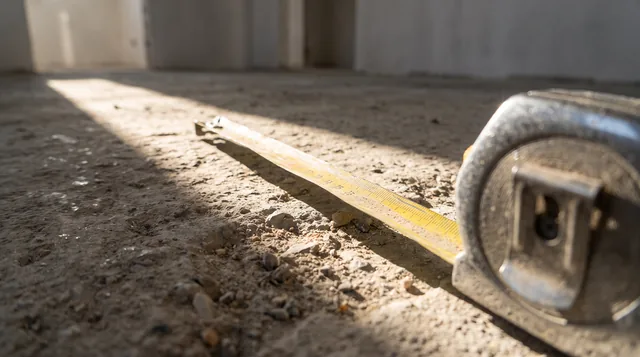 Buying guides8 min read
आप किस एरिया का पैसा दे रहे हैं?
Carpet area, built-up area, super built-up area: only one is defined by law
Three areas, one flat, and you are usually quoted the biggest. What carpet area means in law, and how to work out your real price per usable square foot.
3 Oct 2026 Papers & law8 min read
शिकायत का भी तरीका होता है।
How to file a RERA complaint in Madhya Pradesh
Form M or Form N, ₹1,000, and a folder in date order. How a complaint to MP RERA works, what to ask for, and what it cannot do for you.
3 Oct 2026 Buying guides7 min read
बन रहा है, या बन चुका है?
Under construction or ready to move: two different products
An under-construction flat is not a discounted ready one. It is a different purchase with a different risk. What to settle before you book either.
3 Oct 2026Tagged flat, rera, developer, checklist, site-visit, instagram-series.
Read it. Then check it on the map.
Every colony's boundary, its layout plan on record, its zoning and its paperwork — on one screen. Signing in is free.