
घर की क़ीमत नहीं, घर दोबारा बनाने की लागत का बीमा।
Home insurance: what the standard policy covers
What Bharat Griha Raksha, the standard home policy every insurer sells, pays for, how to set the sum insured, and how to make a claim stick.
On this page
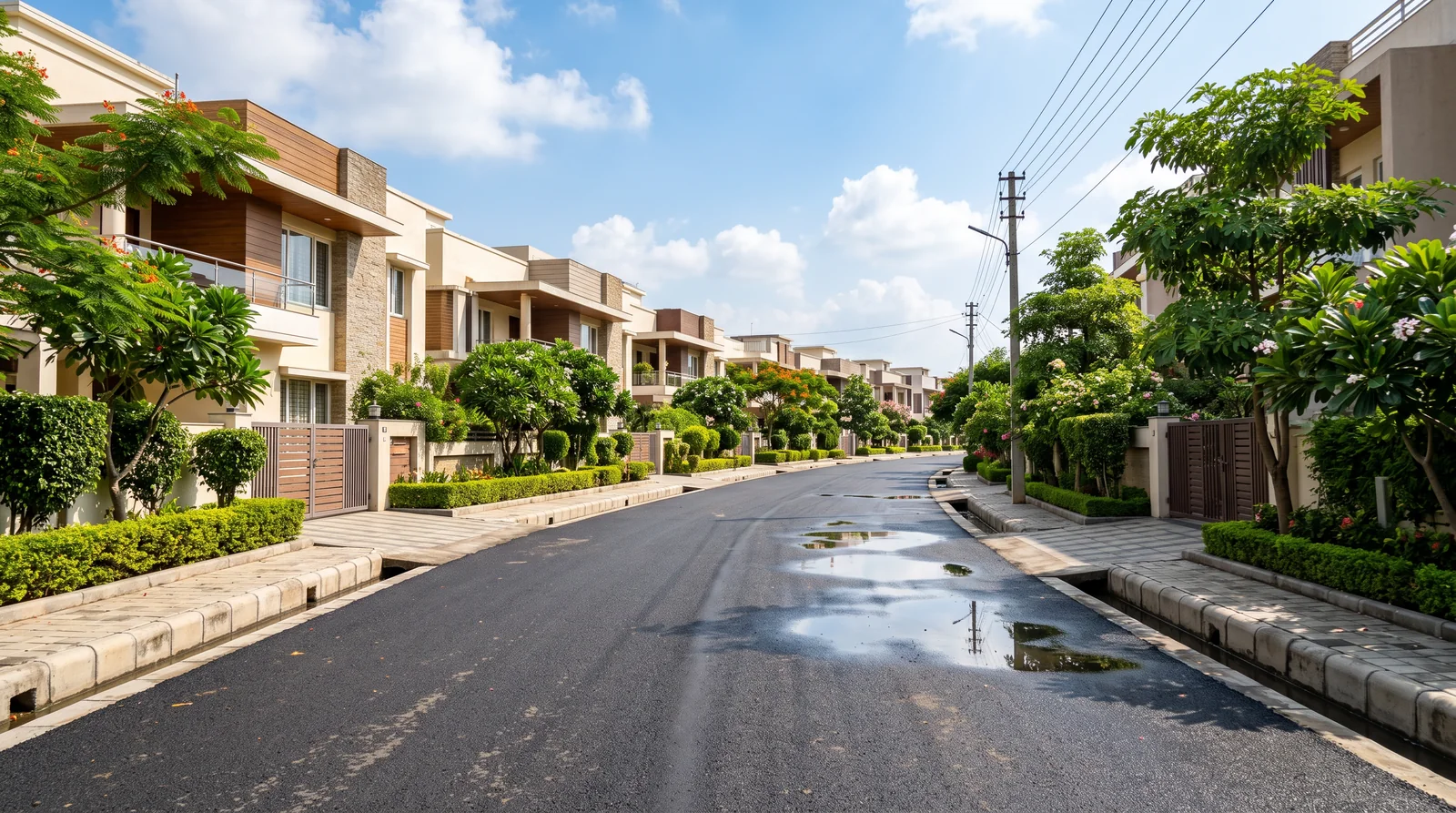
The standard home policy, Bharat Griha Raksha, pays to repair or rebuild your house after fire, flood, earthquake and eleven other named events. It insures the cost of building the house again, not the price you paid for it. The cover your bank sells with a home loan is usually different: it repays the loan if the borrower dies.
Two covers that are easy to confuse
| Home insurance | Loan-protection life cover | |
|---|---|---|
| What it insures | The house | The loan |
| When it pays | After a fire, flood, earthquake or another listed event | If the borrower dies |
| What it pays for | Repairing or rebuilding | What is still owed to the lender; any balance to the nominee |
| Mends a wall? | Yes | No |
On a mortgaged house the home policy names the bank, and the claim is paid to the bank (the agreed bank clause).
From 1 January 2027 a bank may not compulsorily bundle a third-party product, such as an insurance policy, with a loan. Where it requires a cover as a safeguard, you may buy it from any provider.
लोन का बीमा बैंक का हिसाब चुकाता है, घर की दीवार नहीं।
Loan ka beema bank ka hisaab chukaata hai, ghar ki deewar nahin.
Bharat Griha Raksha: one wording, every insurer
Since 1 April 2021 every general insurer selling fire insurance must offer this standard product, new and renewal, in fixed words; only the insurer's name changes. Insure the building, the contents, or both. It is for a home lived in, by an owner, landlord or tenant, not premises where you employ people in a business.
"The building" is wider than most people expect. It includes the structure in any material, compound and retaining walls, the garage and parking, verandahs and outhouses, water tanks, solar panels, fixtures and fittings, and internal roads.
The events it pays for
The policy names its events. It does not cover "everything".
- Fire
- Explosion and implosion
- Lightning
- Earthquake and volcanic eruption
- Storm, cyclone, flood and inundation
- Subsidence, landslide and rockslide
- Bush and forest fire
- Impact damage, such as a vehicle or a falling tree
- Missile testing
- Riot, strike and malicious damage
- Terrorism
- Bursting or overflowing of tanks and pipes
- Sprinkler leakage
- Theft within 7 days of one of the events above
Anything else needs an add-on. Built into every policy are up to 5 per cent of the claim for architect, surveyor and engineer fees, up to 2 per cent for clearing debris, and rent, either lost or paid elsewhere, while the house is unfit to live in.
The contents you get without asking
Insure the building and contents together without opting out, and your furniture, television, fridge, AC and kitchen are covered for 20 per cent of the building's sum insured, up to ₹10 lakh, with no list needed. For more, declare the details and pay for it.
Jewellery, art and silver need an optional cover at an agreed value; no valuation certificate is needed if the total is up to ₹5 lakh and no single item is over ₹1 lakh. Bullion, unset stones, manuscripts, cash, cheques and vehicles are not covered.
The sum insured: the cost to rebuild, not the price
The price of a house includes the land and the location; neither burns down. The sum insured is what it would cost to build the house again: the carpet area multiplied by a construction rate per square metre, declared by you and accepted by the insurer.
| Illustration (invented price, IRDAI's formula) | |
|---|---|
| What the house cost to buy, land and location included | ₹60 lakh: not the basis of cover |
| Carpet area × rate: 100 sq m × ₹20,000 per sq m | ₹20,00,000 sum insured |
Worked that way, there is no underinsurance cut: if the sum, calculated on what you declared, turns out to be below the value at risk, a claim is not reduced in proportion. On a long-term policy, up to 10 years in one go, the sum grows by 10 per cent a year at no extra premium, so ₹20 lakh in year one becomes ₹38 lakh by year ten, and the rise stops at double the starting sum.
Monsoon: low ground takes the water first
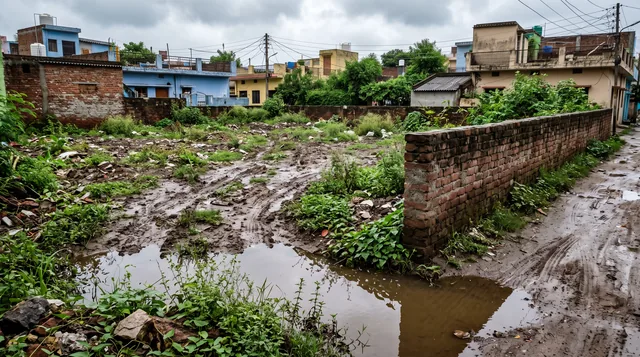
Flood and inundation are on the list, and it matters locally. In September 2023, after about a day of continuous rain, several low-lying residential areas of Indore were waterlogged, and residents were moved out after water entered their homes.
Before you buy or insure, find the plot on the map and the master plan and see what lies around it: water bodies, nalas, low open land. The guide on water, drainage and the plot covers what to look for on the ground.
What it does not pay for
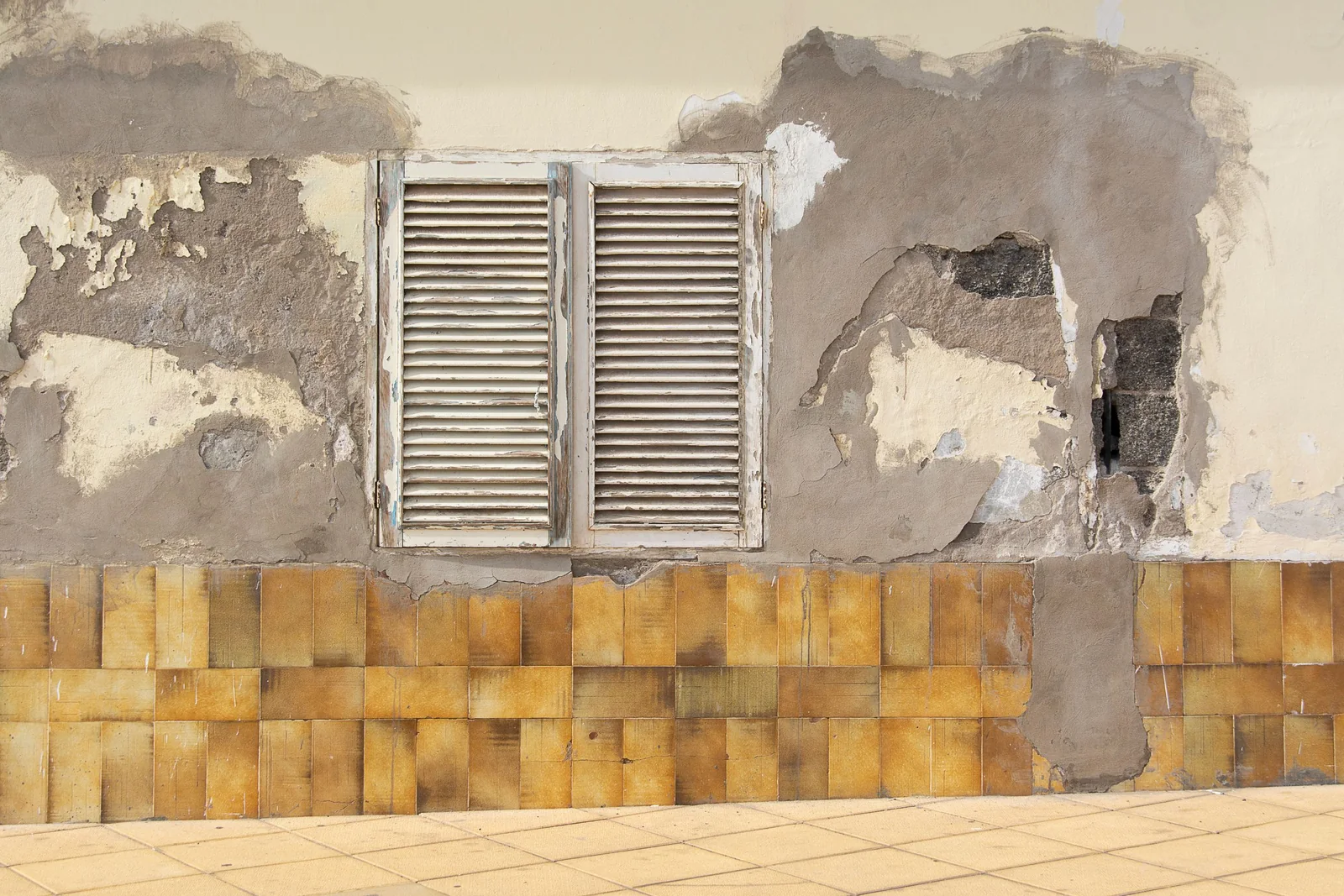
- Age, seepage and slow cracking. The policy pays only for damage from a listed event. The settling of new structures, and defective design or workmanship, are expressly excluded.
- An appliance that burns itself out. A short circuit or overload damaging that machine is not covered.
- An extension you did not declare. Adding more than 10 per cent to the carpet area needs an endorsement and extra premium.
- Things simply missing. Loss with no identifiable event, or property taken somewhere else.
- The knock-on costs. Lost earnings, a fall in market value after repair, the cost of preparing a claim.
Also excluded: deliberate acts, war, nuclear risks, pollution.
A claim is a file of evidence
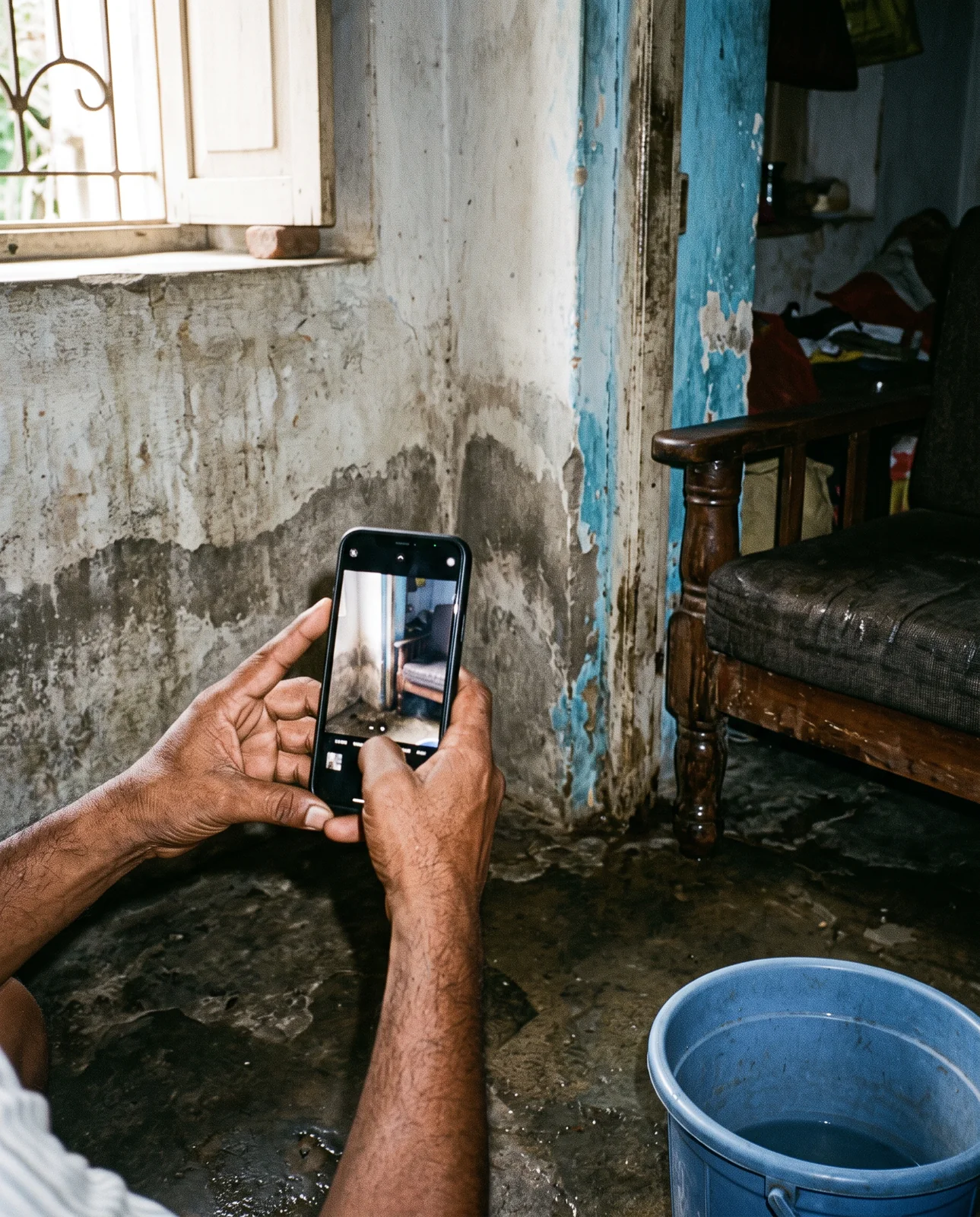
Start the file on a dry day.
Now, before anything happens: photograph every room and your valuables, keep the bills for appliances and furniture, and keep the schedule showing the carpet area and rate you declared.
After the damage: tell the insurer at once, and report to the police or fire service where that applies. Stop further damage and photograph all of it. Send the claim form within 30 days of noticing the loss.
Not resolved? The insurer's grievance officer, then IRDAI's grievance system, then the Insurance Ombudsman.
आज की तस्वीरें, कल का क्लेम।
Aaj ki tasveerein, kal ka claim.
A policy protects a house; it cannot change where it stands. This is general information, not insurance advice; the policy wording prevails.
See it for yourself on the map — boundaries, plans and paperwork on one screen.
Look up the plot's colony, layout, zone and the drainage around it →Questions people ask
Does home loan insurance cover damage to the house?
Usually not. The cover sold with a home loan is typically life cover that repays the lender if the borrower dies. Repairing the house needs a home policy such as Bharat Griha Raksha.
What does Bharat Griha Raksha cover?
Damage to the building, and contents if chosen, from fourteen named events including fire, flood, earthquake, storm, landslide, riot, terrorism and burst pipes, plus theft within 7 days of one of them.
How much should I insure my house for?
The cost of rebuilding it: carpet area multiplied by a construction rate per square metre that the insurer accepts. Not the price you paid, which includes land.
Can the bank force me to buy insurance with a home loan?
From 1 January 2027 RBI's directions bar banks from compulsorily bundling a third-party product with a loan. Where a cover is required as a safeguard, you may buy it from any provider.
Where the facts come from. The facts and figures in this post come from verified government sources and verified RERA-registered brokers.
Share this post
Related posts
 Buying guides7 min read
पानी और ज़मीन
Buying guides7 min read
पानी और ज़मीन
Water, drainage and the plot you are about to buy
Land is bought in April and lived on in August. The slope, the fill, the drain, the supply and the zone — six checks a dry-season site visit misses.
8 Sep 2026 Money7 min read
बैंक क्या-क्या जाँचता है?
Money7 min read
बैंक क्या-क्या जाँचता है?
What the bank checks before it lends on a property
Before a home loan, a lawyer and a valuer examine the property at the bank's cost. What each one checks, and why a refusal is information.
3 Oct 2026 Money8 min read
होम लोन से टैक्स बचेगा? पहले रीजीम देखिए।
Money8 min read
होम लोन से टैक्स बचेगा? पहले रीजीम देखिए।
Home loan tax benefits: interest, principal and the regime you choose
The ₹2 lakh interest and ₹1.5 lakh principal deductions live only in the old regime. How each works, for joint owners and while a house is built.
3 Oct 2026 Money7 min read
किराया या ख़रीद?
Money7 min read
किराया या ख़रीद?
Rent or buy: the costs of owning that never make the sum
Rent against EMI is the wrong sum. The five costs of owning it leaves out, and how to compare the two honestly over the years you will actually stay.
3 Oct 2026Tagged flat, loan, instagram-series, water, checklist.
Read it. Then check it on the map.
Every colony's boundary, its approved layout, its zoning and its paperwork — on one screen. Signing in is free.